May We Talk About Emeralds?
Emerald: May’s Gem of Renewal, Royalty & Timeless Desire
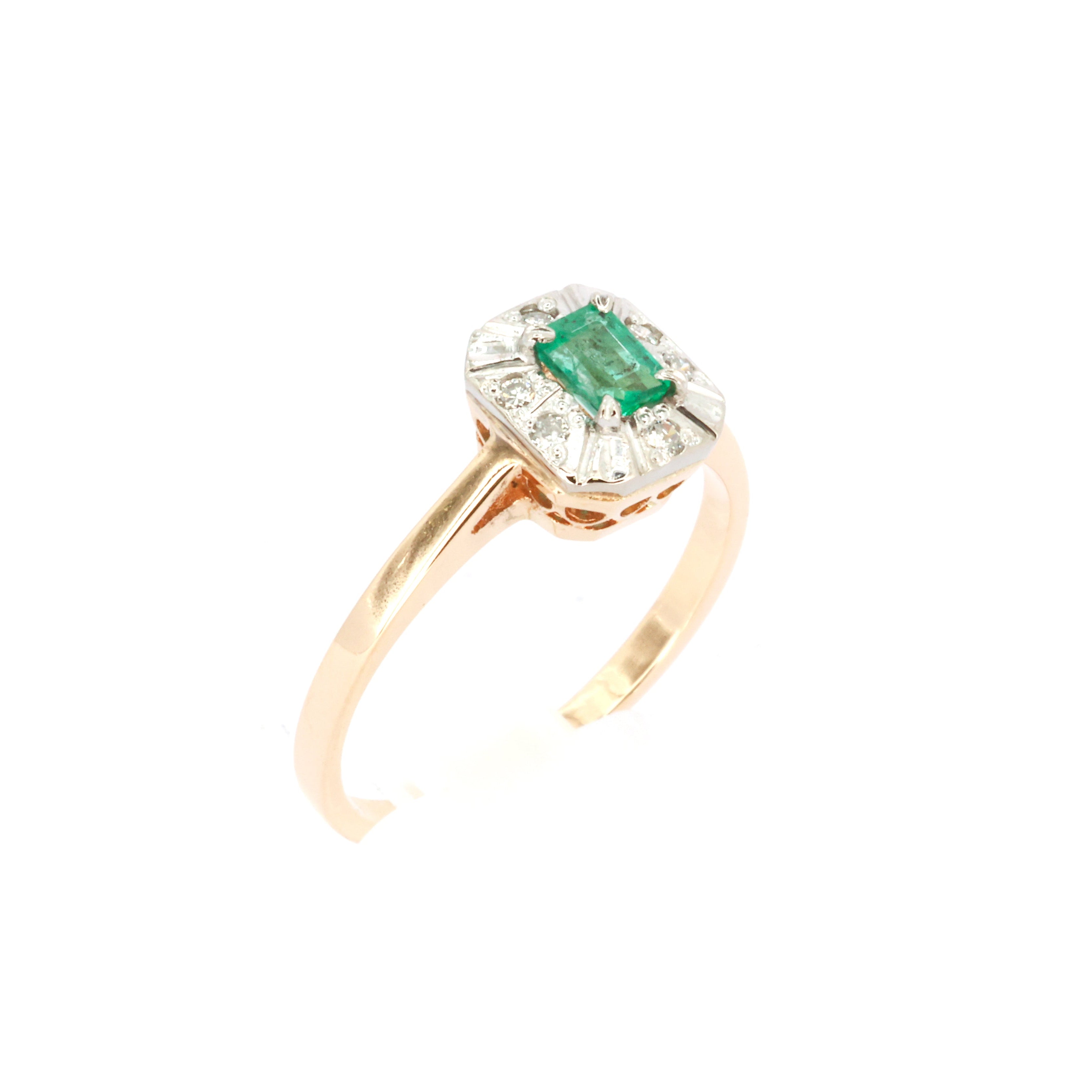
From a gemmologist’s perspective, few gemstones carry the same depth of character as the emerald. As May’s birthstone, it represents renewal, growth, and enduring love — but beyond its vibrant green lies a story shaped by history, rarity, and fascination across centuries.
Emerald belongs to the beryl family, coloured by trace elements of chromium and vanadium, which give it its unmistakable rich green hue. Unlike many gemstones, emerald is almost always formed with internal inclusions, often referred to as jardin — the French word for “garden.” Rather than diminishing its beauty, these inclusions are part of what makes each emerald entirely unique, like a fingerprint created by nature.
A Gemstone of Kings & Queens
Emeralds have been revered since ancient times, but perhaps no historical figure is more closely associated with them than Cleopatra. The Egyptian queen was famously captivated by emeralds, adorning herself with them and even claiming ownership of emerald mines during her reign. To Cleopatra, emerald symbolised power, eternal youth, and divine beauty.
Across other cultures, emeralds were believed to grant foresight, protect against evil, and reveal truth. In ancient Rome, the stone was associated with Venus, the goddess of love, reinforcing its long-standing connection to romance and devotion.
Where Emeralds Are Found
From a gemmological standpoint, origin plays an important role in an emerald’s character.
Some of the world’s most celebrated emeralds come from Colombia, known for producing stones with exceptional colour, often a vivid, pure green with remarkable depth. Zambian emeralds, on the other hand, tend to display slightly darker tones with a bluish undertone, prized for their clarity and intensity.
Emeralds are also found in regions such as Sri Lanka and India, both of which have long histories of gemstone trade and craftsmanship. Each location contributes subtle differences in tone, clarity, and overall appearance, making origin a fascinating aspect of emerald appreciation.
Lore, Meaning & Modern Appeal
Throughout history, emerald has symbolised renewal, wisdom, and love. Its green hue reflects nature itself, growth, balance, and vitality. From a gemmologist’s perspective, this symbolism aligns beautifully with the stone’s natural formation: shaped over time, imperfect yet enduring.
Today, emerald remains a gemstone of individuality. Its inclusions, rather than flaws, are embraced as part of its story. No two stones are alike, and this uniqueness is exactly what draws collectors and jewellery lovers alike.
A Stone with a Story
At My Precious, emeralds are chosen not only for their colour and quality, but for their character. Each stone carries a sense of history, from ancient royalty to modern design, making it far more than a gemstone.
It is a reminder that true beauty is rarely flawless, but always meaningful.